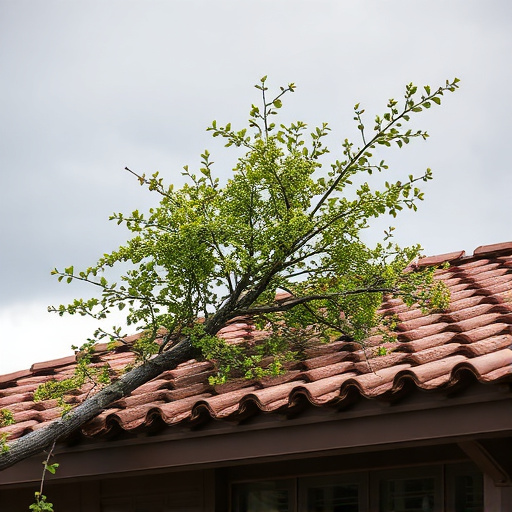
In the monsoonal season, older homes in Oro Valley often face unique challenges, with leaky roofs posing significant risks. A roof leak not only causes water damage but also creates an unsafe environment, particularly for pets and families. This is especially true during storms, when debris can accumulate on roofs and wind can exacerbate existing damage.
The first hour of a roof emergency is critical. Prompt action, like tarping a concrete tile roof or repairing a foam leak, can prevent further water intrusion and secondary damage. We'll guide you through this process, emphasizing the importance of choosing a reputable roofer who understands the needs of older homes and prioritizes pet and family safety in repairs.
This article offers practical advice and insights to help Oro Valley residents navigate roof emergencies effectively.
- Assess Roof Damage, Prioritize Safety
- Prepare for Repairs: Protect Your Home
- Choose Safe, Reliable Roofing Professionals
- Ensure Pet and Family Safety During Reconstruction
Assess Roof Damage, Prioritize Safety
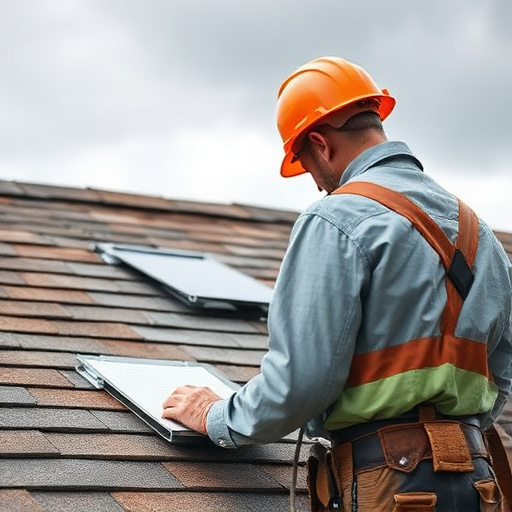
When facing a leaking roof, especially during the monsoon season, the initial assessment and response are crucial for both the structural integrity of your Oro Valley home and the safety of your family and pets. Prioritizing safety means taking immediate action while ensuring that any repairs are carried out by a reputable roofer with an Arizona ROC license, someone who understands the unique challenges of the local climate, like the frequent hailstorms in Canada Hills.
The first step is to inspect the damage, focusing on potential hazards. Look for weakened or missing shingles, especially if there's been recent hail activity. Check the condition of the flashing around chimneys and vents, as these areas are common problem spots. A small leak might seem manageable, but it could signal a larger issue, especially if it's near a skylight or in a two-story roof. Water seeping through the ceiling can indicate a serious problem, and it's important not to ignore these signs. A crack in the flashing could be a temporary fix, but it might also signal a more persistent problem that requires immediate attention.
Safety during repairs is paramount. Keep pets and children away from the work area, as temporary tarping or scaffolding could pose a risk. Ensure that any repairs or replacements are done with the safety of your family in mind. When dealing with a roof that's been damaged by hail, the initial tarp job is a temporary solution, but it's crucial to follow up with a permanent repair to prevent further damage and water intrusion. Check for wildlife, like snakes or birds, that might have taken up residence in the attic or gutters, as this could create another layer of complexity and risk during the repair process.
HOA rules can also impact emergency repairs, especially in communities with strict guidelines. It's essential to understand these regulations, as some HOAs have specific requirements for repairs, especially in common areas. For vacant homes, a thorough inspection is still vital, as the damage could be more extensive than it appears from the outside. In the case of a small leak getting worse, it's better to address it promptly to prevent further damage and the potential for mold growth, which can be a serious health hazard. Always remember, when dealing with a roof emergency, acting swiftly and smartly is the key to maintaining a safe and secure home.
Prepare for Repairs: Protect Your Home
When a roof starts to leak, especially during the monsoon season, older homeowners face a series of critical decisions. Protecting your home and family during an emergency roof repair is paramount. Start by ensuring your safety and the safety of your loved ones. Evacuate the area around the leak immediately if water is seeping through the ceiling or there are signs of structural damage. Never risk personal injury trying to fix a serious leak yourself.
Next, document the damage. Take photos of the leak, the surrounding area, and any visible signs of water intrusion. This documentation will be crucial when filing an insurance claim or seeking approval from your homeowners association (HOA). Many HOAs have specific rules regarding emergency repairs, so check your community guidelines before making any temporary fixes. Tarping a concrete tile roof is a common temporary measure, but ensure it's done correctly to prevent further damage.
One common issue during and after storms is water seeping through skylights. If you have a skylight that's leaking, take extra precautions. Keep the area around the skylight clear of debris and water accumulation. Never allow water to pool around the skylight frame as it can weaken the structure. Consider calling in a professional roofer, like DC Roofing of Arizona, who can assess the damage and provide expert advice tailored to your specific situation. They can also help with securing any needed HOA approvals before making permanent repairs.
Preventing a second leak is just as important as stopping the current one. Inspect your roof for any damaged or missing shingles, particularly if your home has seen recent storm activity. Look for clogged scuppers and channels, which can lead to water buildup and further damage. If you're unsure about any aspect of the repair process, remember: pet and family safety in repairs is paramount. Always prioritize their well-being by working with reputable professionals who can ensure the job is done right, the first time.
Choose Safe, Reliable Roofing Professionals
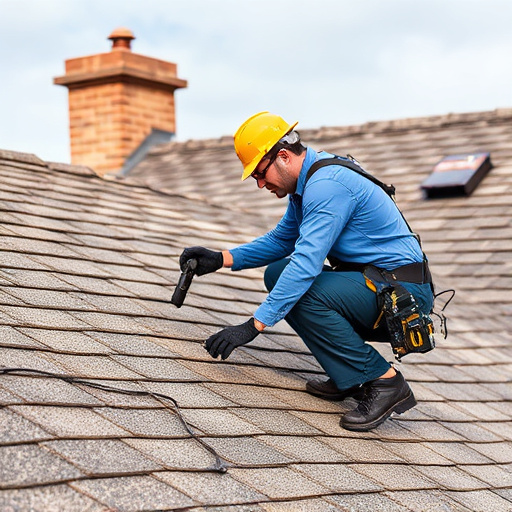
Choosing the right roofing professionals is crucial when dealing with a leaking roof, especially in the unique challenges posed by Oro Valley's monsoon season. As an older homeowner, prioritizing pet and family safety in repairs is paramount. When water is seeping through the ceiling, or even before, it's essential to act swiftly and wisely.
Not all roofers are created equal. Opt for a licensed Arizona roofer with a proven track record and specialized training in dealing with common issues like clay tile roofs and ceiling leaks. Look for companies that offer 24/7 emergency services, ensuring a rapid response team can arrive quickly to assess the situation, tarp the roof if necessary, and provide immediate relief from further damage. Check customer reviews and ask for references to gauge their reliability and work quality.
During repairs, keep your family and pets safe by communicating clearly with the roofing team. Ask about their safety protocols, especially if the work involves climbing ladders or working on high-pitched roofs. Ensure they are using appropriate safety gear and following strict procedures to minimize risks. Remember, a temporary roof tarp can provide immediate protection, but only a professional repair from a reputable, licensed roofer will ensure the long-term safety and integrity of your home.
Ensure Pet and Family Safety During Reconstruction

When facing a leaking roof, especially during the monsoon season, the safety of your family and pets is paramount. As you consider emergency repairs, remember that a temporary fix, like tarping a concrete tile roof, is just that-a stopgap. It's crucial to understand that these measures are designed to prevent further damage and provide immediate protection until a full assessment and repair can be conducted.
In the heat of an emergency, such as a microburst, it's easy to overlook the safety of your pets and family. Yet, ensuring a safe work environment for your emergency roofer is non-negotiable. This means securing any areas that could pose a hazard, removing valuable or fragile items from the vicinity, and, in some cases, even evacuating your home if the damage is severe. A reputable Oro Valley roof specialist will prioritize these considerations, implementing safety protocols to protect everyone involved.
During reconstruction, pet and family safety in repairs involves more than just a roof tarp. It encompasses a range of strategies, from using safe entry points and securing loose debris, to wearing appropriate personal protective equipment (PPE). If your home has a two-story roof or a patio, ensure that your roofer uses safe ladder placement and has the necessary equipment to reach these areas without risking falls or injuries. With potential storm debris on the roof and clogged scuppers, your contractor should be equipped to address these issues promptly to prevent water damage and further complications.
The well-being of your family and pets is not just about immediate safety during repairs, but also about preventing long-term health risks. A wet, damaged attic can become a breeding ground for mold and mildew, which can have severe health effects. Therefore, it's crucial to ensure proper ventilation and drying out of the affected areas. An experienced Oro Valley roof specialist will understand these nuances, implementing strategies to mitigate any health risks and ensuring that your home is a safe haven once again.
Frequently Asked Questions About safety guidance for older homeowners dealing with a leaking roof
What are the immediate steps to take if I notice a leak in my roof?
Upon discovering a leak, prioritize safety. Check the source and extent of the leak during the day or under dim lighting. If it's dark, use a flashlight, but avoid entering areas with damaged or missing shingles. Temporarily seal the leak with a tarp or plastic sheeting to prevent water intrusion. Contact a licensed Oro Valley area roofing contractor like DC Roofing of Arizona for an emergency inspection and repair estimate.
How do I know if my roof leak is an emergency?
A roof leak is considered an emergency if water is actively dripping into your home, causing damage to ceilings, walls, or floors. Leaks during monsoon season in Oro Valley can quickly escalate due to high rainfall. Any sign of water stains, peeling paint, or mold growth should prompt immediate action.
What should I look for when choosing a roofing contractor?
When selecting a contractor, verify their Arizona ROC (Roofing Contractor) license and insurance. Request references and check online reviews for their reputation and service quality. Ensure they specialize in repairs for older roofs and have experience with your type of roofing material. A good contractor will provide a detailed, written estimate before work begins.
How can I prevent leaks in my older roof?
Regular maintenance is key. Schedule inspections twice yearly, especially during monsoon season. Remove dead leaves and debris from gutters to prevent clogs. Inspect shingles for damage, missing, or loose tabs. Re-caulking and sealing areas around vents and chimneys can also prevent leaks. Consider a roof coating or a complete replacement if your roof is over 20 years old.
What are the signs I need a new roof instead of repairs?
Beyond frequent leaks, look for widespread damage, missing or curled shingles, and a noticeable decrease in energy efficiency. If your roof deck is showing, or you see light coming through your attic, these indicate severe wear and tear. A licensed roofing specialist can assess these issues and recommend the best course of action.
What should I do if my roof leak is causing mold growth?
If mold is present, prioritize safety and hire a professional restoration company to address the issue. Mold can be a serious health hazard, especially for older adults. Once the leak is repaired and the affected area is dried, consider a mold-inhibiting product to prevent future growth. Contact your insurance company for guidance on filing a claim.
When dealing with a leaking roof, older homeowners must prioritize safety and take immediate action. Assess the damage during calm weather, focusing on structural integrity and potential hazards. Prepare for repairs by securing loose items, boarding up broken windows, and protecting valuable belongings. Choose reputable roofing professionals with specialized training and modern equipment for reliable, safe work. Ensure pet and family safety during reconstruction by maintaining a safe work zone, keeping children and pets away from hazardous areas, and adhering to local building codes. By following these guidelines, homeowners can mitigate risks, restore their home's integrity, and ensure a peaceful recovery during and after the monsoon season.
When an Oro Valley roof leaks during monsoon season, immediate action is crucial for structural integrity and family safety.
Key Steps:
1. Safety First: Evacuate dangerous areas, keep pets and children away from repairs.
2. Inspect Thoroughly: Look for damaged or missing shingles, flashing issues near chimneys and vents. A small leak might signal a larger problem.
3. Hire a Reputable Roofer: Choose a licensed Arizona roofer experienced in local climate challenges (e.g., hailstorms) who understands HOA regulations.
4. Temporary vs. Permanent Repairs: Tarp jobs are temporary; ensure permanent repairs follow to prevent future damage.
5. Safety During Repairs: Ensure contractors prioritize safety, using proper PPE, securing work areas, and addressing potential hazards like wildlife.
6. Document Damage: Take photos for insurance claims and HOA approvals.
Prioritizing pet and family safety in repairs is essential for a secure home.