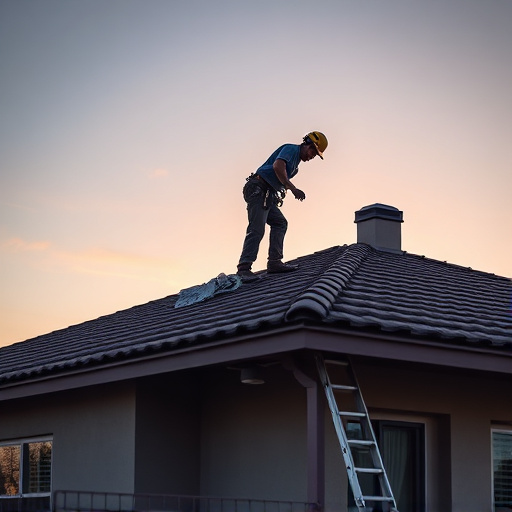
In the monsoon season, a leaking roof can turn from a minor nuisance to a serious safety hazard for older homeowners. The damage caused by storm-related leaks, including rooftop AC leaks after storms, can extend far beyond the initial water intrusion. Mold, mildew, and structural weaknesses can all result from even the smallest of dings and cracks in the roof. This guide is designed to equip you with the knowledge to recognize the signs of a roof in distress and the steps to take, including emergency services and temporary repairs, to ensure your safety and that of your family, pets, and home. Let's explore how to navigate this challenging situation with confidence and expertise.
- Assess Roof Damage After Storms: Prioritize Safety
- Understand Common Sources of Rooftop AC Leaks
- Safe, Effective Steps for Temporary Repairs
- Schedule Professional Roofing Inspection and Repairs
Assess Roof Damage After Storms: Prioritize Safety
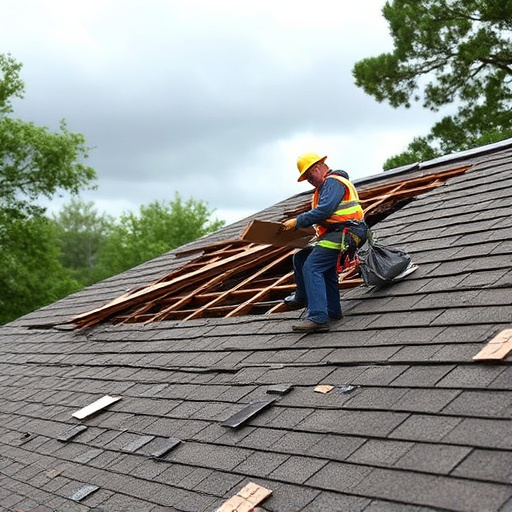
After a storm, older homeowners in Oro Valley often face a daunting task: assessing roof damage. This is especially crucial for those who spend winters in their homes-known as "snowbirds"-and return to find unexpected repairs. La Reserve, like many neighborhoods, can see significant weather events during the monsoon season, necessitating swift and informed action.
Safety should always be the top priority. If you suspect a rooftop AC leak after a storm, don't enter the attic or attempt any repairs until you've ensured your safety. Check for visible signs of damage, like missing or damaged shingles, flashing, or gutters. If you notice water stains on the ceiling, especially around lights, or see water pooling on the floor, these are clear indicators of a leak. At this point, it's crucial to act quickly, as waiting could lead to more extensive damage and costly repairs.
Documenting the damage through photos is a wise step. This not only helps you track changes over time but also serves as valuable evidence for insurance claims. A licensed Oro Valley area roofing contractor can provide expert advice on the severity of the damage and guide you through the claim process. They can also offer immediate temporary repairs to prevent further water intrusion and more serious damage, especially important for vacant homes or those used as casitas during the winter. Tarpings over damaged areas or blocked scuppers and channels to divert water away from the roof can provide short-term solutions until a more thorough repair can be made. Remember, preventing a second leak is as important as stopping the current one.
Understand Common Sources of Rooftop AC Leaks
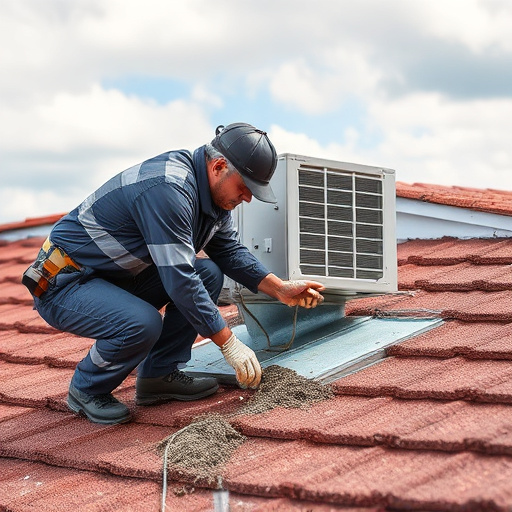
Older homeowners in Oro Valley and the surrounding Canada Hills area face unique challenges for roof maintenance, especially during the monsoon season. One common issue that requires immediate attention is a leaking rooftop air conditioning (AC) unit. Rooftop AC leaks after storms can be particularly damaging, allowing water to infiltrate the attic and potentially causing extensive interior damage. Understanding the common sources of these leaks is crucial for timely and effective emergency repairs.
One of the primary culprits is aging or poorly maintained AC units. As units grow older, their components, particularly the seals and gaskets, can degrade, leading to leaks. A licensed Oro Valley roofer with an Arizona ROC license notes that "many older AC units were not designed with the latest weatherproofing technology, making them more susceptible to leaks." Regular maintenance, including cleaning and lubricating moving parts, can extend the life of these units and prevent leaks.
Another significant factor is the impact of storms and strong winds. The force of heavy rainfall and high winds during monsoon season can cause debris to accumulate on the roof, blocking scuppers and channels. This blockage prevents proper drainage, leading to water buildup and potential AC leaks. A recent storm in the area left many homes with clogged scuppers, resulting in several rooftop AC leaks. Promptly clearing debris and ensuring proper drainage after storms is essential to prevent these issues.
Rooftop AC leaks can stem from cracked flashing or sealants around the AC unit's base. Flashing, which seals the gap between the AC unit and the roof, can become damaged over time due to weather exposure, causing water to seep in. A quick visual inspection during a storm watch can help identify these issues, allowing for immediate tarping and temporary repairs until a roofer with an Arizona ROC license can assess and fix the problem. Remember, temporary repairs are only a Band-Aid solution, and immediate protection is crucial to prevent further damage and second leaks.
Safe, Effective Steps for Temporary Repairs
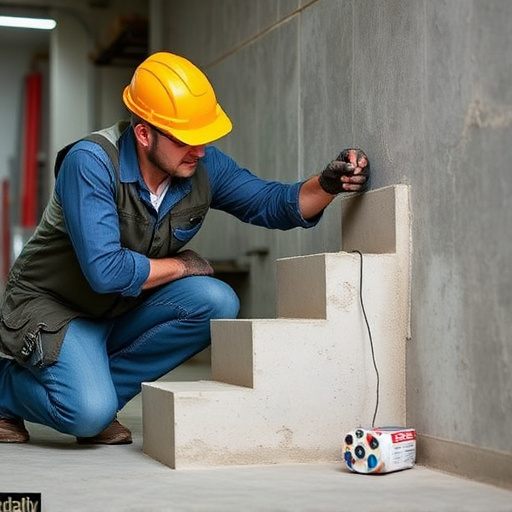
For older homeowners in the Catalina Foothills region, dealing with a leaking roof during the monsoon season can be a daunting task. While professional repairs are essential, temporary measures can provide immediate safety and protection until a licensed Arizona roofer can assess and fix the issue. Here, we outline safe and effective steps for temporary repairs, focusing on preventing further damage, especially after storms, including rooftop AC leaks.
In the case of a leak, the first hour is critical. If the leak is coming from a concrete tile roof, quickly tarp the area to prevent water intrusion. This simple step can save you from significant damage and give you time to plan. If a storm knocks loose some tiles, exposing the underlayment, a tarp can stop water from reaching your ceiling and potentially causing further damage to your home, especially during the monsoon. Be mindful of potential hazards like clogged scuppers and canales, which can lead to water pooling and structural issues. Regularly inspect these areas to ensure proper drainage, as they are crucial in preventing storm-related damage.
When dealing with a skylight leak emergency or water seeping through ceiling lights, temporary repairs can include using specialized flashing or sealing materials to cover the leak until a roofer can be contacted. It's also essential to address any cracked flashing or tiles, as these issues can be exacerbated by monsoon winds, leading to more severe damage. A reputable local roofing company can offer 24/7 emergency services, providing immediate response and temporary solutions to protect your home. Remember, these fixes are only a band-aid; a thorough inspection by a skilled technician is necessary to ensure the longevity of your roof. A two-story roof or a patio roof emergency repair may require specialized techniques and equipment to address leaks effectively.
Schedule Professional Roofing Inspection and Repairs

When faced with a leaking roof, especially during the monsoon season, older homeowners in Oro Valley should not delay professional assistance. A quick response to a roof leak, such as those caused by rooftop AC leaks after storms, is crucial to prevent further damage and costly repairs. While temporary solutions like tarping can offer immediate protection, a comprehensive inspection and repair by a licensed roofer are essential for long-term safety and peace of mind.
A local roofing company serving Oro Valley can provide expert assessment and repair services, ensuring your home is secure and protected. These professionals are equipped to handle various roof issues, from concrete tile leaks to cracked flashing and clogged scuppers. In Rancho Vistoso, where older homes are prevalent, a roofing contractor will conduct a thorough inspection, identifying not only the source of the leak but also any potential weaknesses or damage from monsoon winds and storm debris. HOA approval is often required for repairs, and a reputable roofer will guide you through this process, ensuring compliance and minimizing delays.
The benefits of scheduling an emergency roof inspection extend beyond immediate leak control. A professional can recommend repairs that will prevent a second leak, ensuring your home remains protected during future storms. They can also address any issues related to your roof's structure, ventilation, or drainage systems. A two-story roof or a patio roof might require specialized attention, and an experienced technician will know how to fortify these areas against future weather events. By prioritizing professional roofing services, older homeowners can ensure their properties are safe, comfortable, and secure throughout the year.
Frequently Asked Questions About safety guidance for older homeowners dealing with a leaking roof
What are the most common signs of a roof leak? The most common signs of a roof leak include dark or discolored stains on ceilings and walls, water droplets or puddles on the underside of the roof, peeling or blistered paint, and musty odors. DC Roofing of Arizona, a local roofing company serving Oro Valley, often finds that these signs are often missed until the damage becomes severe.
When should I call a professional roofer to fix a leak? If you notice any of the common signs of a leak, it's crucial to contact a professional roofer as soon as possible. Delays can lead to more extensive and costly damage. A licensed Arizona roofer, like those at DC Roofing, can assess the situation, pinpoint the leak's source, and provide the most effective solution.
How do I safely inspect my roof for damage during monsoon season? During monsoon season, it's best to avoid climbing onto your roof. Instead, look for visible signs from the ground, such as missing shingles or debris buildup. If you must inspect, wear appropriate safety gear, use a flashlight, and have a trusted friend or family member spot you. Never attempt to repair major damage yourself; contact a professional for safety and effectiveness.
What documents should I collect before hiring a roofing contractor? Before hiring a contractor, gather important documents, including your home's deed, insurance policies, and any previous repair estimates. This ensures that both parties have clear expectations and helps verify the scope of work. DC Roofing of Arizona, for instance, provides detailed proposals outlining costs, timelines, and materials used.
How can I prevent future roof leaks? Regular maintenance is key to preventing leaks. Schedule annual inspections, clean gutters, and repair or replace missing or damaged shingles. Consider upgrading to a higher-quality roofing material and ensuring proper ventilation to regulate roof temperature.
What should I do if my insurance claims are denied? If your insurance claims are denied, review the denial letter carefully for reasons. Contact your insurance company to discuss the decision and ask for clarification. If necessary, gather additional documentation to support your claim. DC Roofing of Arizona can assist you in navigating these processes to ensure you receive the coverage you're entitled to.
In the face of monsoon winds and sudden storms, older homeowners must be prepared to assess and address roof damage promptly. This article has equipped you with a comprehensive toolkit for navigating roof emergencies, from prioritizing safety after a storm to understanding the common causes of rooftop AC leaks after storms.
You now know the critical steps for temporary repairs, ensuring immediate protection while waiting for professional help. You understand the importance of a thorough roofing inspection and the potential legal and financial implications of neglecting repairs.
Taking proactive measures is key to preventing further damage and costly repairs. Remember, acting swiftly during a roof emergency is not just about fixing a leak; it's about safeguarding your home, family, and property. Choose a reputable local roofing company, follow HOA rules for emergency repairs, and don't hesitate to contact emergency services when needed.
By implementing these strategies, you'll gain peace of mind, knowing your home is protected against the elements and that you've taken the best possible steps to maintain your property's value.
Older homeowners in Oro Valley face unique roof maintenance challenges during the monsoon season, especially rooftop AC leaks caused by aging units, storm debris, and weather exposure. Prompt action is crucial:
- Safety First: Don't enter the attic or attempt repairs until safety is ensured.
- Document and Inspect: Look for water stains, especially around lights, and take photos for insurance claims.
- Temporary Repairs: A licensed roofer can provide tarpings, block scuppers, and divert water to prevent further damage.
- Professional Assistance: Contact a local roofing company for expert assessment, repairs, and guidance on preventing future leaks.
- Rapid Response: Quick action, like tarping leaks, buys time for professional repairs, minimizing damage and costs.